Small Apartment Lighting: The 3-Layer Rule That Changed My 480 sq ft
Small Space

Small Apartment Lighting: The 3-Layer Rule That Changed My 480 sq ft

For the first year in my apartment, I had one light source: a ceiling fixture with a bulb so bright it could illuminate a stadium. My apartment looked like an interrogation room. I kept the lights off and blamed the space for feeling depressing.

It wasn't the space. It was the lighting.

The 3-Layer Rule

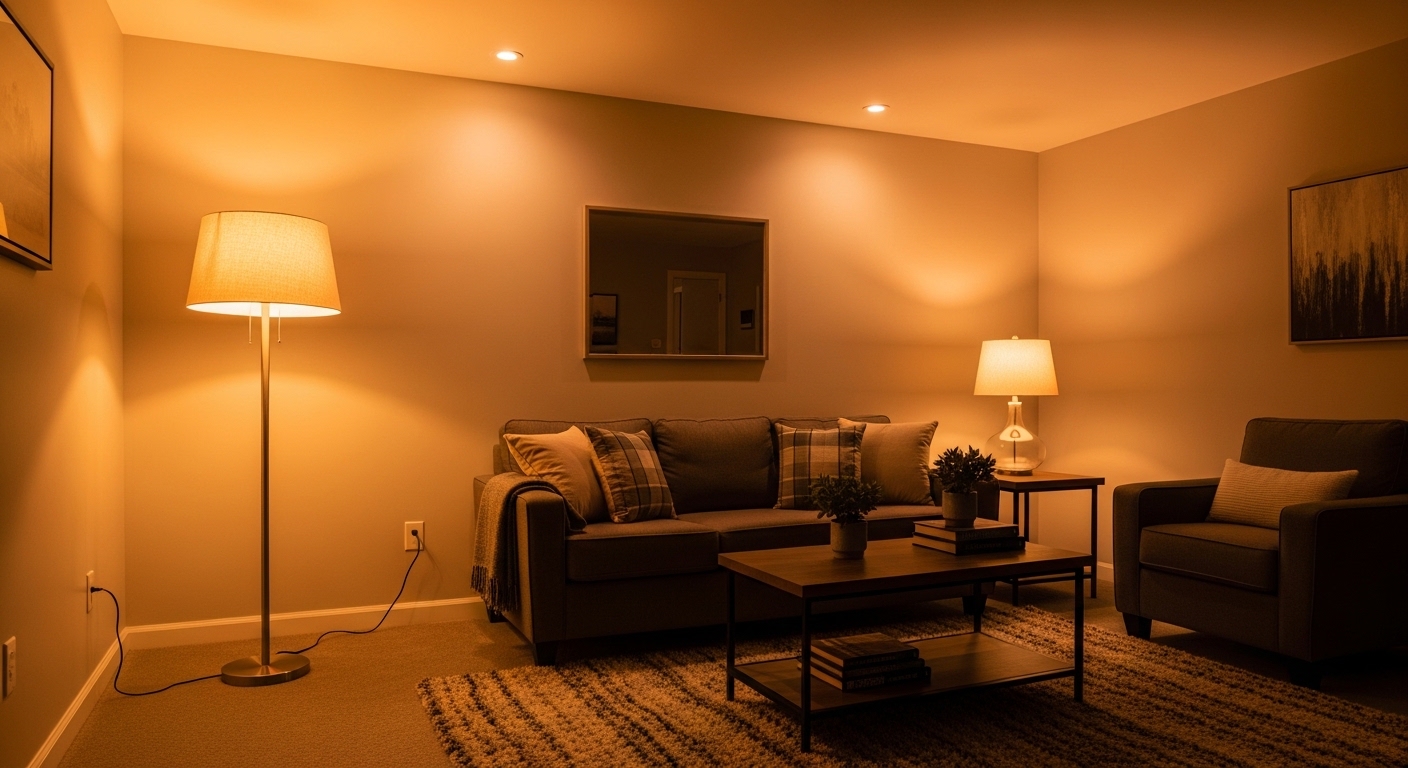
Layer 1, Ambient: This replaces the overhead. A tall arc floor lamp in the corner of my living room now gives the whole room a warm wash of light without the harshness of a single overhead fixture.

Layer 2, Task: Desk lamp at my workspace, a reading lamp next to the couch, a brighter option in the kitchen. Task lighting goes where you actually do things.

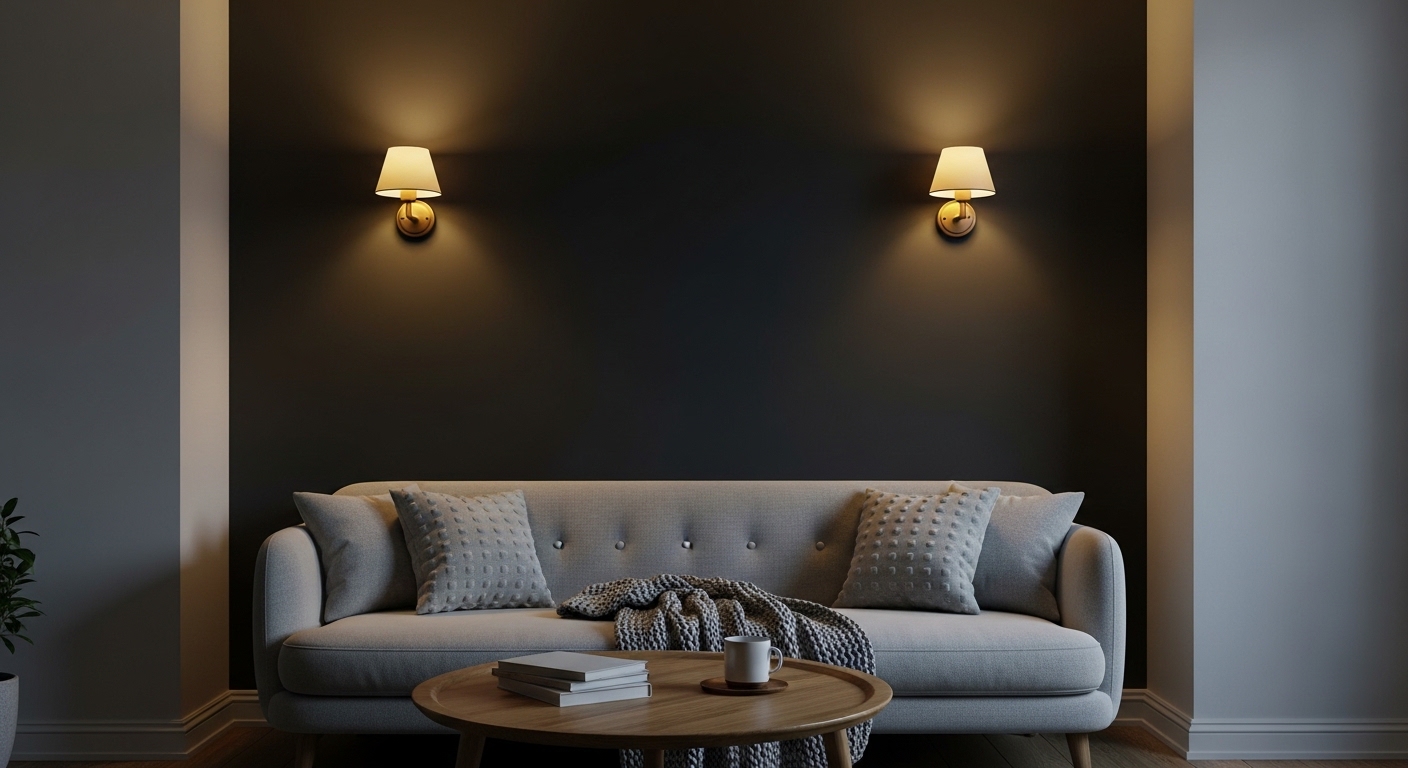
Layer 3, Accent: This is where wall sconces earn their place. A sconce beside the bed, a small lamp on a shelf, a candle-style fixture by the entryway. These aren't functional, they're decorative. They're what make a room feel designed instead of just lit.

The Rule for Small Spaces

In a small apartment, you need more layers, not fewer. Counterintuitive, I know. But multiple light sources at different heights trick the eye into perceiving more depth and dimension. One ceiling light flattens everything. Six smaller sources create a room that feels hand-picked and, weirdly, bigger.

My 480 square feet feels completely different at night than it did a year ago. Same furniture. Same layout. Just better light.

Shop this post: floor lamp and table lamps
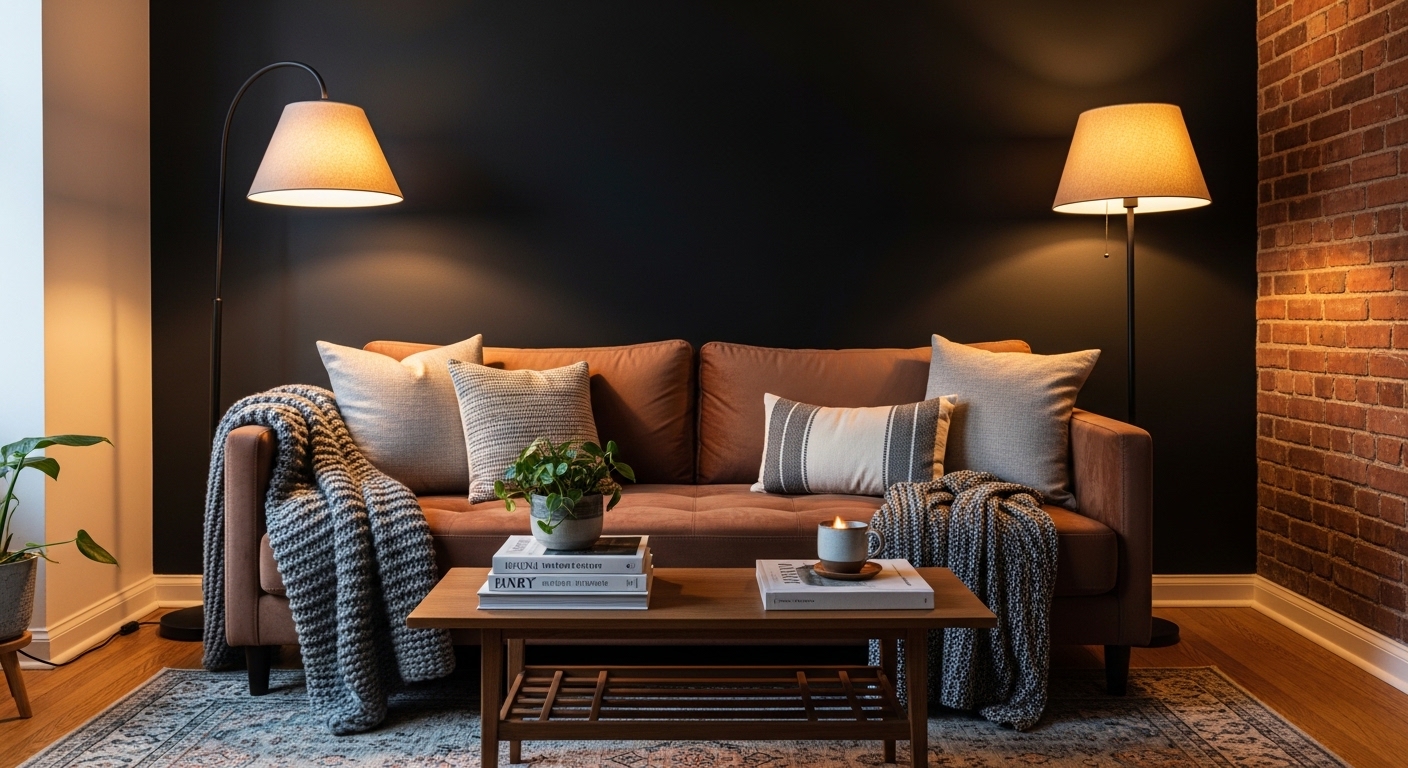
Michelle at The Wharton House covers the same layering logic for a small historic room in her post on how to layer lighting without rewiring. The principles are identical, just with more wall space to work with.

Frequently Asked Questions

What is layered lighting and why does it matter in small apartments?

Layered lighting means using three types of light together: ambient (overall illumination), task (focused light for specific activities), and accent (decorative or mood lighting). In small apartments, a single overhead fixture creates flat, harsh light that makes the space feel smaller. Layering creates depth and visual interest.

How do you light a small apartment without overhead lighting?

Use a floor lamp for ambient light, table or desk lamps for task lighting, and plug-in or battery sconces for accent. String lights and under-cabinet LEDs add warmth without requiring electrical work. The goal is multiple light sources at different heights.

What color temperature is best for a small apartment?

2700K–3000K (warm white) makes small spaces feel cozy and larger. Cool temperatures (4000K+) create a clinical feel that amplifies the sense of smallness. Use warm bulbs throughout and keep temperatures consistent across fixtures.

More in Small Space